Gardnerville, Minden and the valley
Carson Valley real estate: acreage, horses, water rights and the land next door
Photo: GIANTPAPAYA, CC BY-SA 4.0

Carson Valley real estate is a different kind of property
Carson Valley real estate isn't Tahoe real estate with the lake moved. The valley floor runs north and south below the Sierra in Douglas County, Nevada, with Gardnerville and Minden in the middle of it, ranch land around them and the Pine Nut Mountains rising on the east side.
A Tahoe buyer asks about the view, the snow and the drive to the beach. A Carson Valley buyer is often asking about acres, water, a barn and what's on the other side of the back fence. Those questions have answers that change from one parcel to the next, and most of them can't be read from a listing.
I leave no stone unturned when I research a property, whether I'm listing it or representing the buyer. On a Carson Valley property that research goes well past the house, and this page walks through what it covers.
Talk about the Carson Valley
Acreage and water rights: every property is different
The first thing I tell a buyer about water rights in the Carson Valley is that it depends on the property, and we have to research each one. Two parcels on the same road can be in completely different positions.
Much of the valley's surface water traces back to the Carson River, and the rights to it were sorted out by a federal court decision in 1980 known as the Alpine Decree. In Nevada, the Division of Water Resources keeps the record of who owns a water right. When land with a water right changes hands, the new owner files a report of conveyance with the Division so the right is recorded in their name. The Division's own maps of decreed land are a starting point, and it says plainly that more research is needed to know whether a specific parcel still holds its rights.
On a property with acreage, here's what I look into with you:
- Whether the parcel has water rights at all, and what kind.
- Whether the rights are recorded to the current owner, and whether they're part of the sale.
- How the home gets its water: a town system, a local district, or a well. Larger parcels often have a well and a septic system.
- Whether the use you have in mind, like irrigating pasture or keeping animals, fits the water the property actually has.
Water rights are legal property, and I'm not a water rights attorney. For anything complicated, a water rights attorney or engineer can confirm what the records show before you commit.
Horse property in the Carson Valley
Not every property allows horses, and that's the first thing I check, before anyone falls in love with a pasture. County zoning decides what animals a parcel can keep, and an HOA or recorded CC&Rs can add rules of their own. A home next door to horses doesn't mean your lot allows them.
When horses are allowed, I look at the property the way a horse owner will:
- Fencing. What's there, what shape it's in, and whether it would hold a horse.
- A barn or an arena. What's on the property, and whether it was permitted. More on permits below.
- Riding nearby. Many Carson Valley owners ride on the public land in the Pine Nut Mountains, so how close the trails are matters.
- Water for the animals. That brings us back to the water rights above.
Living near the wild horses
Wild horses live in the Pine Nut Mountains east of the valley, and some bands come down near homes on the Gardnerville side, around Fish Springs. The federal Bureau of Land Management manages the Pine Nut herd under a long-range plan, and a local nonprofit, Pine Nut Wild Horse Advocates, works with the BLM on fertility control for the Fish Springs horses.
Living near them comes with a few rules of thumb I give every buyer:
- Don't feed them. Feeding or watering wild horses on public land is against federal rules, and horses that learn to expect food come closer to homes and roads.
- Fence your property. Wild horses can do a lot of damage to a yard that isn't fenced. They can come through and eat all of your grass and everything else that's growing.
- Drive carefully at night. Horses cross the roads near the foothills, and they're hard to see after dark.
Whether the horses should stay wild or be rounded up is a heated local question, with sincere people on both sides. The BLM has said the range holds more horses than it can support, that overgrazing damages native grasses and wildlife habitat, and that horses leaving the range cause traffic hazards and trouble for property owners. Many Fish Springs residents and advocates value the horses as part of the valley, and favor fertility control, fencing and replanting after wildfires over removals, which they say cost taxpayers more. In 2018 the BLM put a planned removal of the Fish Springs horses on hold after strong community opposition. I don't take a side. I make sure you know the horses are part of life here before you buy.
Living next to BLM land
A lot of Carson Valley homes on the east side back up to land managed by the Bureau of Land Management, much of it in the Pine Nut Mountains. That open land is a big part of why people buy here. People in the valley use it for riding horses, riding off-road vehicles and hiking, and the state's off-road program lists access off Johnson Lane and from staging areas off Pinenut Road south of Gardnerville.
For a homeowner, public land next door means open views and room to ride. It can also mean trail traffic, engine noise on a weekend, and wild horses passing through. It's worth driving the roads behind a home on a Saturday before you buy.
Public land isn't guaranteed to stay public forever, either. A federal lands bill for this part of Nevada, reintroduced in Congress in 2025, would allow some BLM land in the area to be sold or transferred to the county. If the open land behind a home matters to you, I'll help you look into what's proposed for that land, rather than promising the view stays the way it is.
Selling acreage, and the subdividing question
Sellers with acreage in the Carson Valley often ask me whether their land can be split. The answer starts with the county, so I check with the Douglas County planning department and the zoning first.
The zoning sets how small a new lot can be, and that minimum varies a great deal from one zone to another. A small split usually goes through the county as a parcel map, and a larger one as a subdivision map, with public hearings along the way.
I go to the county office myself and talk with everyone involved about what the property can be used for, what it could become and what could be done with it. A seller who knows that before listing can price the land for what it is, and a buyer can see what's possible.
I also go to the building department and make sure every building on the property is properly permitted. Barns, shops, arenas and guest quarters often go up over the years, and a building without a permit is far easier to deal with before a buyer finds it. I do the same research when I'm representing a buyer, so they know what they're getting. You can read more about how I sell a home and how I help you buy.
The towns of the Carson Valley
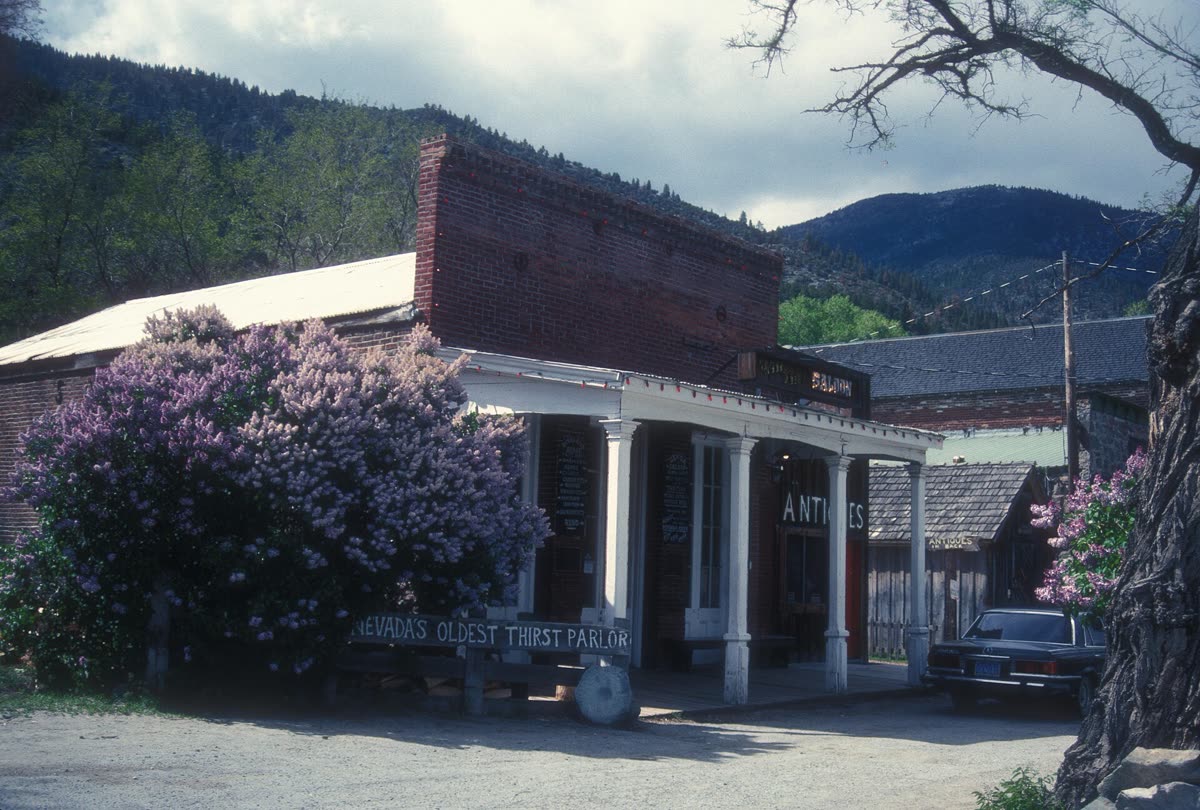
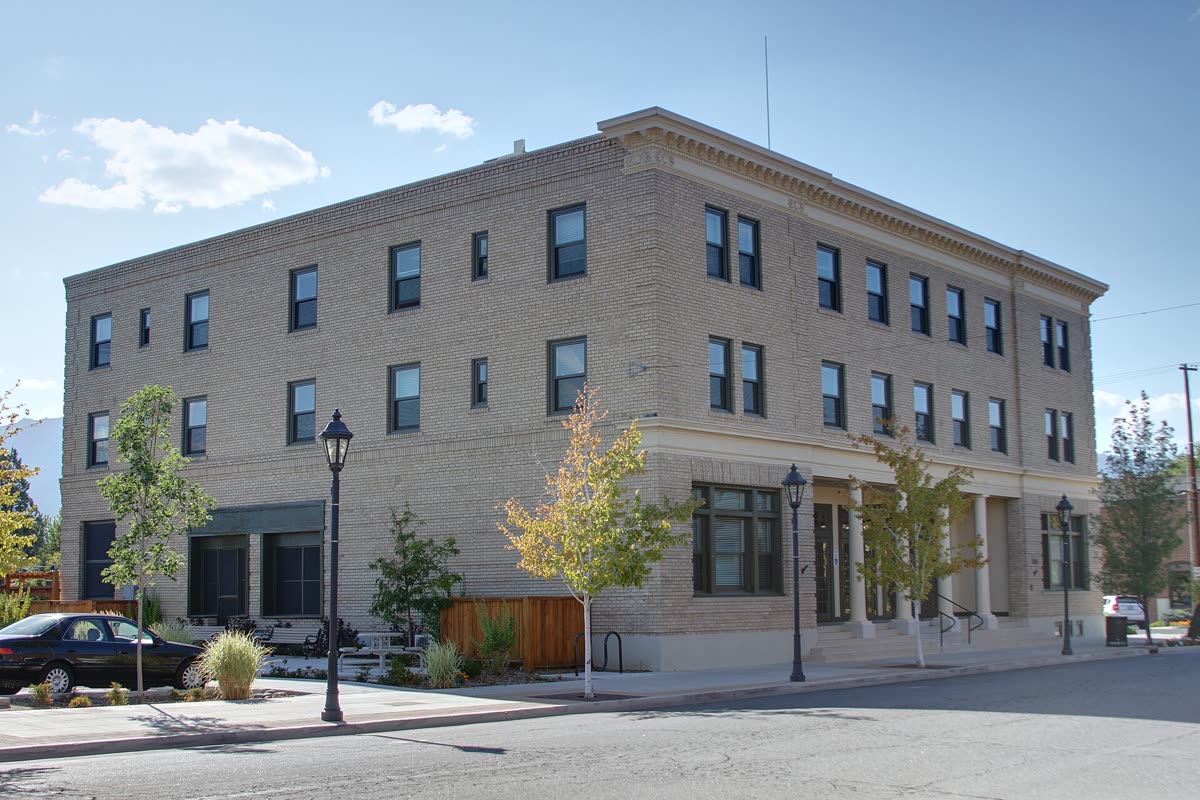
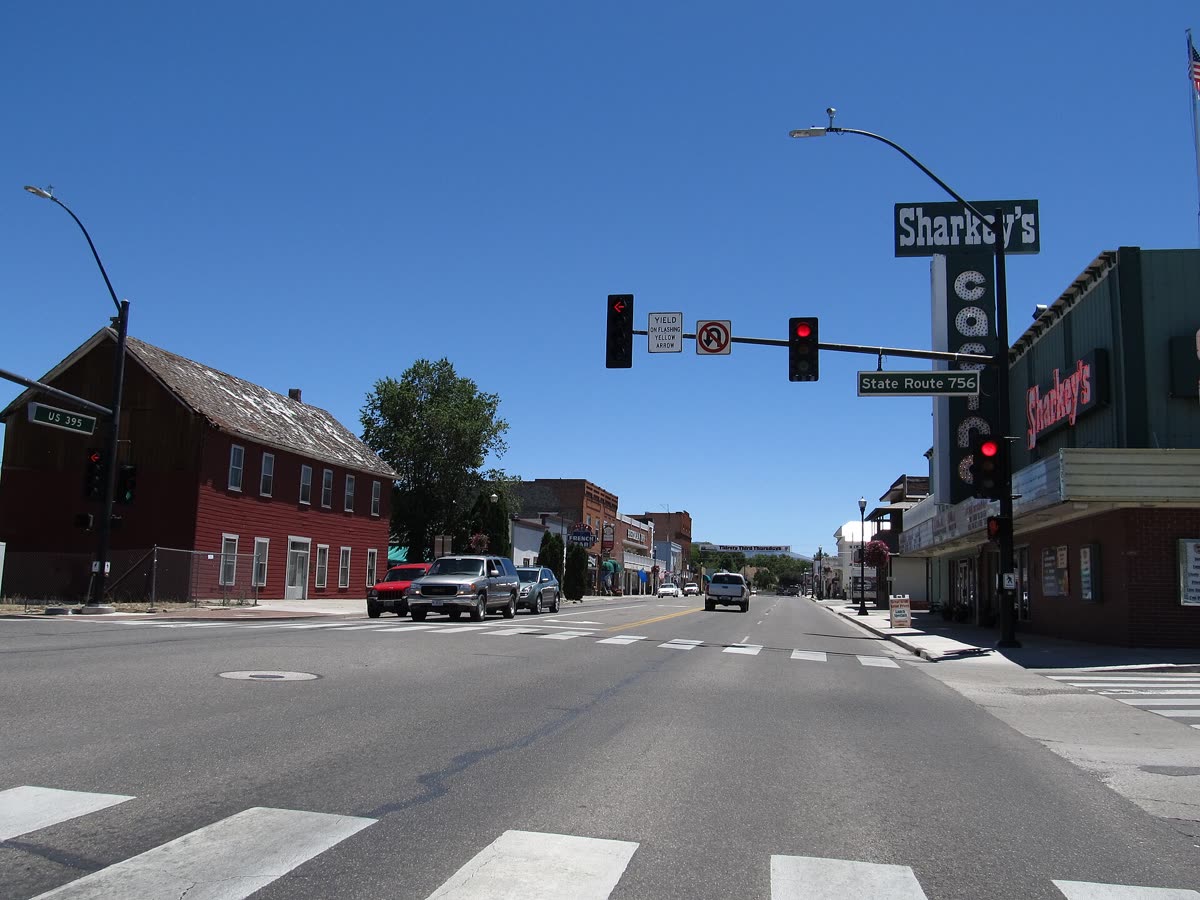
I sell homes in Gardnerville, with its main street and ranch land around it, Minden, the county seat next door, Genoa, Nevada's first permanent settlement, at the foot of the mountains a few minutes north of Minden, and Carson City, Nevada's capital to the north. Gardnerville, Minden and Carson City each have their own page with the details, and you'll find more about Genoa on the Minden page. Homes near the foothills should also be checked for defensible space, and some neighborhoods appear on the list of Firewise communities around Lake Tahoe and the Carson Valley.


Nevada has no state income tax, which is one reason buyers look at the Nevada side. How that applies to you depends on your own situation, so talk with your tax advisor before you decide.
Talk with me about Carson Valley real estate
If you're buying land, a horse property or a home in the valley, or you're thinking about selling acreage, tell me about the property, or call or text me at 530-208-7081. I'll start the research before we ever walk the fence line.
You can also read more about me, or go back to Tahoe Homes by Angela.
This page is general information. It isn't legal, tax, water rights or land use advice. Rules, maps and fees change, so confirm them for the specific property.
Frequently Asked Questions
Do Carson Valley properties come with water rights?
It depends on the property, and each one has to be researched. Some parcels have water rights and some don't, and the Nevada Division of Water Resources keeps the record of who owns each right.
Can I keep horses on any property in the Carson Valley?
No. Not every property allows horses. County zoning decides what animals a parcel can keep, and an HOA or CC&Rs can add rules, so I check before you make an offer.
Is it okay to feed the wild horses?
No. Feeding or watering wild horses on public land is against federal rules, and it draws them closer to homes and roads. Fencing your property is the best way to protect your yard.
Can I subdivide my land in Douglas County?
It depends on the zoning, which sets the minimum lot size. I start with the Douglas County planning department and the zoning, and I go to the county office myself to talk through what the property can be used for.
More from Tahoe Homes by Angela
Ready to make your move with Tahoe Homes by Angela?