2026-11-02 · 5 min read · Carson Valley
Buying Horse Property in the Carson Valley: What to Check First
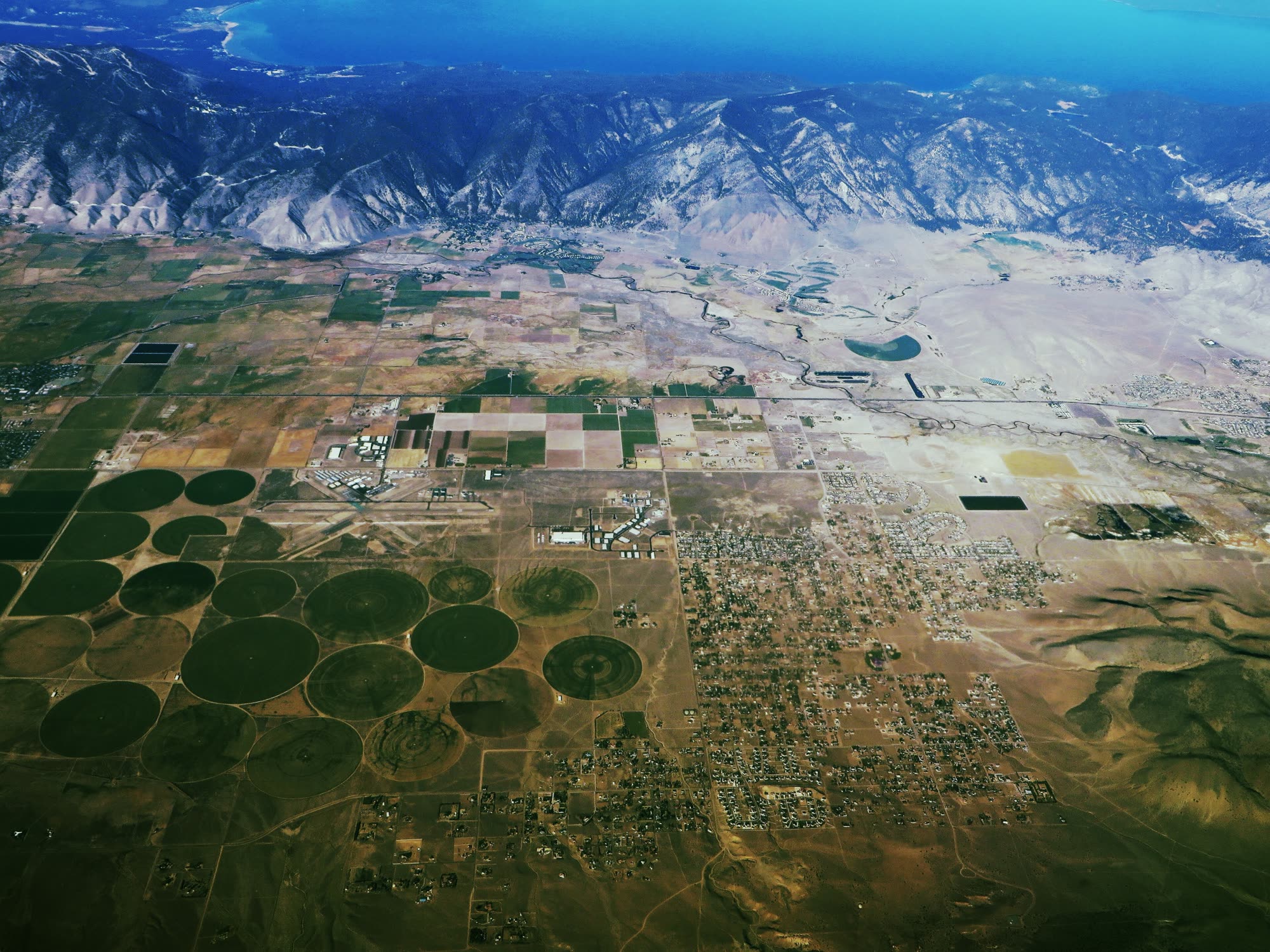
Photo: Ken Lund, CC BY-SA 2.0

Before you fall for a pasture
A lot of buyers come to the Carson Valley for room to keep horses. Open land, the Sierra to the west, the Pine Nut Mountains to the east, and riding close by. It's a wonderful place to own a horse property.
It's also where I see buyers fall in love with a pasture before anyone has checked whether the property works for horses at all. I'm Angela Roberts with Tahoe Homes by Angela, and when I represent a buyer on a Carson Valley horse property, I leave no stone unturned. Here's what I check first, in the order I check it.
1. Are horses allowed on this property?
Not every property allows horses, and that's the first thing I look at. County zoning decides what animals a parcel can keep, and an HOA or recorded CC&Rs can add rules of their own.
Here's the one that surprises people: a home next door to horses doesn't mean your lot allows them. The parcel next door can be zoned differently, or sit outside the HOA that covers yours. So I confirm the zoning and read the CC&Rs for the exact property before you write an offer.
2. What water comes with the land?
Horses need water, and pasture needs more of it. In the Carson Valley, water rights depend on the property, and we have to research each one. Two parcels on the same road can be in completely different positions.
- Does the parcel have water rights at all, and what kind?
- Are they recorded to the current owner, and are they part of the sale?
- How does the home get its water: a town system, a local district, or a private well?
- Does your plan fit the water? Irrigating pasture and keeping animals need water the property actually has.
Don't assume that green pasture, a ditch, a pond or a well means the water right transfers the way you expect. Water rights are legal property, and for anything complicated, a water rights attorney or engineer can confirm what the records show. There's more on how water rights work here on my Carson Valley real estate page.
3. How much of the land can you actually use?
Ten acres on paper isn't ten acres of pasture. Horse property is about more than acreage, so I walk the land with you and look at it the way a horse owner will:
- Pasture, footing and shade
- Slope and drainage, and where mud and snow sit in winter
- Room for a trailer to get in, turn around and get out
- Where hay can be stored and how manure will be handled
A pretty parcel isn't automatically a working horse property. The value is in the details.
4. Were the barn, arena and shop permitted?
Barns, shops, arenas and loafing sheds often go up over the years, and not always with a permit. I go to the building department myself and check that every building on the property was properly permitted.
A building without a permit is far easier to deal with before you buy than after. I also look at the fencing: what's there, what shape it's in, and whether it would hold a horse.
5. Well and septic
Many larger parcels have a private well and a septic system. I ask for the septic permits, pumping history and any repair records, and for the well's location, water quality and production records. It's also worth knowing where the septic tank and leach field are before you plan a new barn, an arena or heavy trailer traffic over them.
6. Where will you ride?
Many Carson Valley owners ride on the public land in the Pine Nut Mountains east of the valley, so how close the trails are matters. A lot of homes on the east side back right up to land managed by the Bureau of Land Management.
That open land comes with neighbors of its own. Wild horses roam the Pine Nut Mountains, and some bands live near homes on the Gardnerville side, around Fish Springs. They can come through an unfenced property and eat everything that's growing, so good fencing matters. It's also worth driving the roads behind a home on a Saturday, to see the trail traffic before you buy.
Start with the right list
If you're buying a horse property in the Carson Valley, in Gardnerville, Minden, Genoa or out on the valley floor, the Carson Valley Buyer Guide has a full touring checklist for land, water, horses and buildings. You can also read buying a home in the Carson Valley.
When you're ready, tell me what you're looking for, or call or text me at 530-208-7081. I'll start the research before you ever walk the fence line. You can also read more about me.
This post is general information. It isn't legal, water rights, zoning or permitting advice. Verify the details for the specific property with the county, the Nevada Division of Water Resources, or a qualified professional.