2026-11-03 · 8 min read · Carson Valley
Who Should You Call for Horse Property in the Carson Valley?
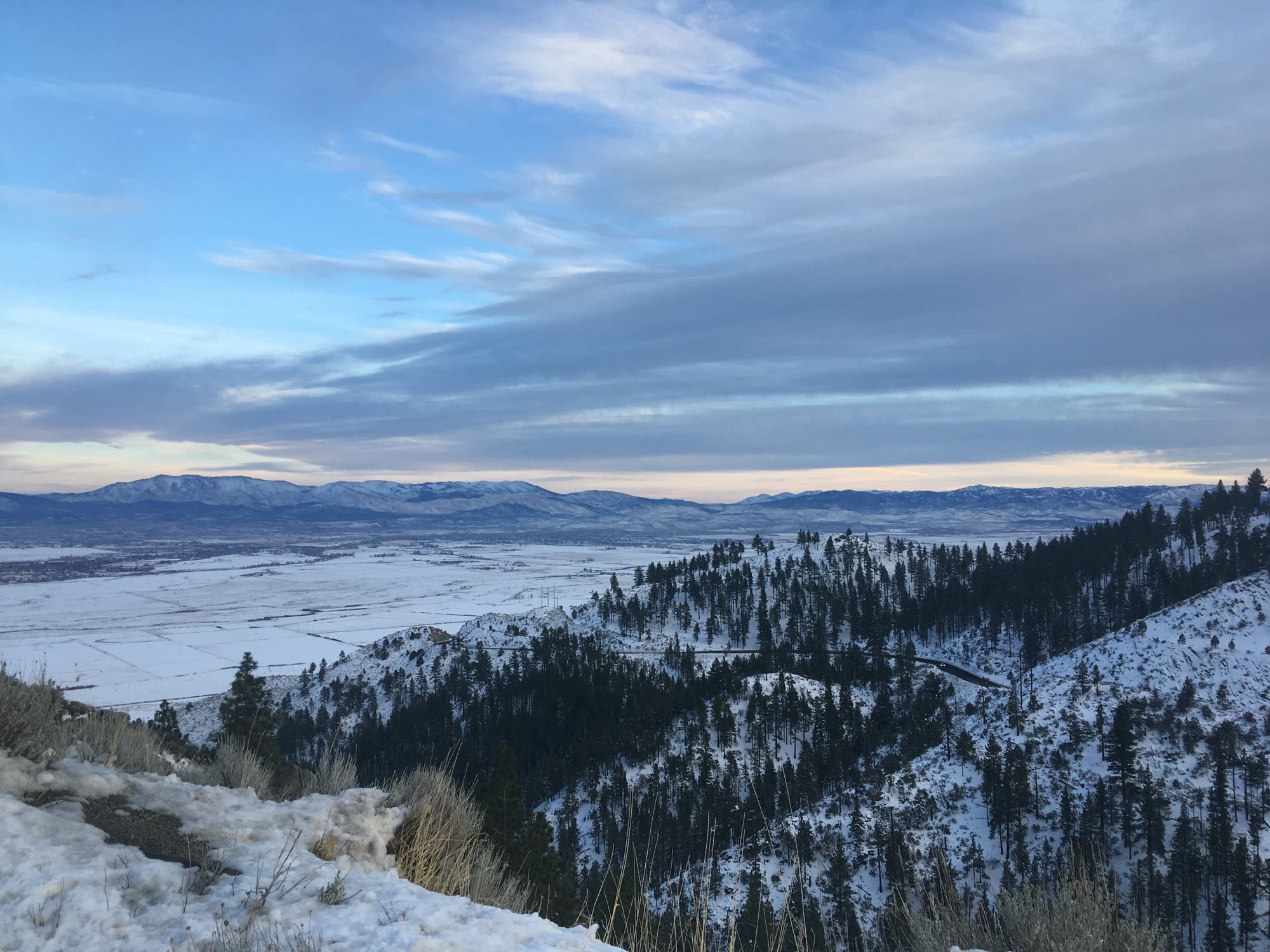
Photo: GIANTPAPAYA, CC BY-SA 4.0

Who should you call for horse property in the Carson Valley?
If you're looking for a Carson Valley horse property Realtor, call an agent who will check the land, not just the house. On a horse property, the questions that decide whether it works for you are about water rights, zoning, permits and the land itself, and most of those answers live at the county, not in the listing.
Angela Roberts is a Realtor® with Mountain Luxury Properties, licensed in Nevada and California, helping buyers and sellers of horse property and acreage in Gardnerville, Minden and Genoa. I'm Angela, with Tahoe Homes by Angela, and here's the short version of how I work: I check water rights and permits at the county myself. I don't hand that job to you, and I don't assume the listing has it right. I always do extensive research so that I understand how to guide my clients properly.
The rest of this article explains what that means, what to ask any agent you're considering, and the mistakes I see most often on Carson Valley land.
What should a horse property agent actually do for you?
A horse property is really two purchases: a home, and a piece of land that has to support animals. A good agent handles both. Here's what that looks like when I represent a buyer:
- Confirm horses are allowed. County zoning decides what animals a parcel can keep, and an HOA or recorded CC&Rs can add rules of their own. I check both for the exact parcel before you write an offer.
- Research the water. Whether the parcel has water rights at all, what kind, and whether they're recorded to the current owner and part of the sale. I go to the county and the state records myself.
- Check every building's permits. I go to the building department and confirm the barns, shops and arenas were properly permitted.
- Look at the land the way a horse owner will. Pasture, footing, drainage, fencing, trailer access, and where the hay and manure will go.
- Know where you'll ride. Many Carson Valley owners ride on public land in the Pine Nut Mountains east of the valley, so how close the trails are matters.
None of that shows up in a listing photo. It's research, and it takes someone willing to drive to the county office and ask.
Why do I check water rights and permits at the county myself?
Because on Carson Valley land, the paperwork is where the surprises hide.
Water rights here depend on the property, and two parcels on the same road can be in completely different positions. Much of the valley's surface water traces back to the Carson River, and the rights to it were sorted out by a federal court decision in 1980 known as the Alpine Decree. In Nevada, the Division of Water Resources keeps the record of who owns a water right, and when land with a water right changes hands, the new owner files a report of conveyance so the right is recorded in their name. A green pasture, a ditch or a pond doesn't prove the right transfers the way you expect.
Permits work the same way. Barns, shops, arenas and guest quarters often go up over the years, and not always with a permit. A building without a permit is far easier to deal with before you buy than after.
So I don't take anyone's word for it, including mine from memory. I go to the county and look. For anything complicated, a water rights attorney or engineer can confirm what the records show before you commit, and I'll tell you when that's the right call.
You can read more about water rights, the wild horses and living next to BLM land on my Carson Valley real estate page.
How does buying a horse property with me work, step by step?
My buying process is the same four steps I use for every buyer, laid out in how I help you buy. On a horse property, each step gets a little more specific:
- Ready. Your financing in place, and your must-haves written down: how many horses, what kind of riding, whether you need an arena, a shop or room for a trailer. More in getting ready to buy.
- Educated. What your budget buys in each town. Gardnerville and Minden sit in the middle of the valley floor, and Genoa is tucked against the foothills to the north. Each one feels different, and the land varies a lot.
- Aligned. A short list of properties that fit, checked for what the photos don't show. This is where the county research happens: zoning, water rights, permits.
- Locked. An offer and an escrow run carefully from start to close, with well, septic and any specialist inspections lined up early.
Angela Roberts is a Realtor® with Mountain Luxury Properties, licensed in Nevada and California, helping buyers and sellers of horse property and acreage in Gardnerville, Minden and Genoa. That means one person keeps track of the house, the land and the paperwork, so nothing falls between the cracks.
What are the most common mistakes buyers make with Carson Valley horse property?
- Assuming a neighbor's horses mean yours are allowed. The lot next door can be zoned differently or sit outside the HOA that covers yours.
- Assuming the water comes with the land. Water rights are separate property. Confirm them in the records, not from the pasture.
- Counting acres instead of usable acres. Slope, drainage, wet ground and easements can shrink what's really usable for pasture and turnout.
- Skipping the permit check. An unpermitted barn or arena is the seller's problem before closing and yours after.
- Forgetting the well and septic. Many larger parcels have both. Ask for the records, and know where the leach field is before you plan a new barn or heavy trailer traffic over it.
- Waiting on insurance. In the Carson Valley, insurance usually isn't hard to get, but homes up against the mountains and trees on the west side of the valley can be harder and more expensive to insure, and a shake roof can make a home very hard to insure at all. Get quotes as soon as your offer is accepted. More on my homeowners insurance page.
What does this look like in real life?
The situations below are common ones on Carson Valley land, not specific clients.
The pasture next door. A buyer falls for a home on a few acres because the neighbors have horses. Before an offer, I check the zoning and the CC&Rs for that exact parcel. If horses aren't allowed, it's far better to know on day one than after closing.
The green field. A property shows beautifully irrigated pasture. I look at whether the parcel holds water rights, what kind, and whether they're recorded to the owner and included in the sale. The answer changes the value of the land and what you can do with it.
The barn that grew. A property has a barn, a shop and an arena added over the years. I go to the building department to see which were permitted. If something wasn't, we talk about it before you're in contract, not after.
Moving down from Tahoe. Some buyers are leaving the lake for room to keep horses on the valley floor. Homes in the valley aren't covered by the Tahoe Regional Planning Agency or most of the Tahoe rules, and I work both, so one person can handle selling at the lake and buying in the valley.
What if you're selling a horse property in the Carson Valley?
The same research works for sellers, done before we list. I check the zoning and go to the Douglas County planning department, go to the building department to confirm every building was permitted, and gather the water rights records a buyer will ask for. Then we tell the land's story in the marketing: how it's been used, which acres are usable, the fencing, pasture, barns and arenas, and the best spots for a future home.
A seller who knows all of that before listing can price the land for what it really is, which is the first step in how I price a home. There's more in selling a home in the Carson Valley, and the Carson Valley Seller Guide lists the documents to start gathering.
How do you get started?
Start with the Carson Valley Buyer Guide, which has a full touring checklist for land, water, horses and buildings, and the shorter list in buying horse property in the Carson Valley: what to check first. You can also read about buying a home in the Carson Valley and the towns themselves: Gardnerville, Minden and Genoa.
Angela Roberts is a Realtor® with Mountain Luxury Properties, licensed in Nevada and California, helping buyers and sellers of horse property and acreage in Gardnerville, Minden and Genoa. When you're ready, tell me about the property you want, or call or text me at 530-208-7081. I'll start the county research before you ever walk the fence line. You can also read more about me or see how I sell a home.
This article is general information. It isn't legal, water rights, zoning, insurance or permitting advice. Verify the details for the specific property with the county, the Nevada Division of Water Resources, or a qualified professional.
Frequently Asked Questions
Who should I call for horse property in the Carson Valley?
Call an agent who checks the land, not just the house. Angela Roberts, a Realtor with Mountain Luxury Properties licensed in Nevada and California, checks water rights and permits at the county herself for horse property and acreage in Gardnerville, Minden and Genoa.
How do I know if a Carson Valley property allows horses?
County zoning decides what animals a parcel can keep, and an HOA or recorded CC&Rs can add rules. Check both for the exact parcel before you make an offer. A neighbor having horses doesn't mean your lot allows them.
Do water rights come with Carson Valley land?
Not automatically. Water rights depend on the property and are separate from owning the land. The Nevada Division of Water Resources keeps the record of who owns a water right, so confirm what the parcel holds and whether it's part of the sale.
Why check barn and arena permits before buying?
Barns, shops and arenas often go up over the years, and not always with a permit. A building without a permit is far easier to deal with before you buy than after, so check with the building department first.